
Understand the work before touching the finish.
Discover expert tips on how to refinish wood furniture. Revive your pieces with G. Michaels' guidance. Read now!
G. Michael's studio Studio guide
Discover expert tips on how to refinish wood furniture. Revive your pieces with G. Michaels' guidance. Read now!
Read the guideDiscover expert tips on how to refinish wood furniture. Revive your pieces with G. Michaels' guidance. Read now!
Fort Collins, Colorado Since 1984
Discover expert tips on how to refinish wood furniture. Revive your pieces with G. Michaels' guidance. Read now!
The allure of wooden furniture is timeless, evoking a sense of elegance and sophistication that can transform any space. Yet, as the years pass, our cherished wood pieces often fall victim to the inevitable wear and tear, leaving them with a lackluster appearance. Rather than bidding farewell to these treasures, consider refinishing your wooden furniture. How to refinish wood furniture? With a modest investment of time, care, and attention, you can rejuvenate wooden chairs, tables, wardrobes, cupboards, beds, sofas, and an array of other wood furniture items. In this comprehensive guide, we will delve into the art of wood furniture refinishing, offering pro tips and insights to ensure your restoration project is a resounding success.
Before embarking on your furniture refinishing journey, it’s imperative to assemble all the necessary tools and materials. Key items on your checklist should include sandpaper, paint stripper, paintbrushes, wood stain or paint, and a clear finish. Additionally, ensure you have personal protective equipment, such as gloves and goggles, on hand to safeguard your well-being. Equally important is the creation of a well-ventilated workspace to facilitate the refinishing process.
The journey toward a revitalized wood furniture piece commences with a meticulous evaluation. Understanding your furniture’s wood type and the nature of its existing finish is paramount. This knowledge will guide your approach and product selection. For instance, hardwoods like oak or maple often respond more favorably to refinishing compared to softwoods like pine.
If your furniture bears remnants of its prior finish, the initial step is to remove it. Employ a paint stripper in accordance with the manufacturer’s instructions. Execute this task within a well-ventilated area while donning appropriate safety gear to protect against chemical exposure.
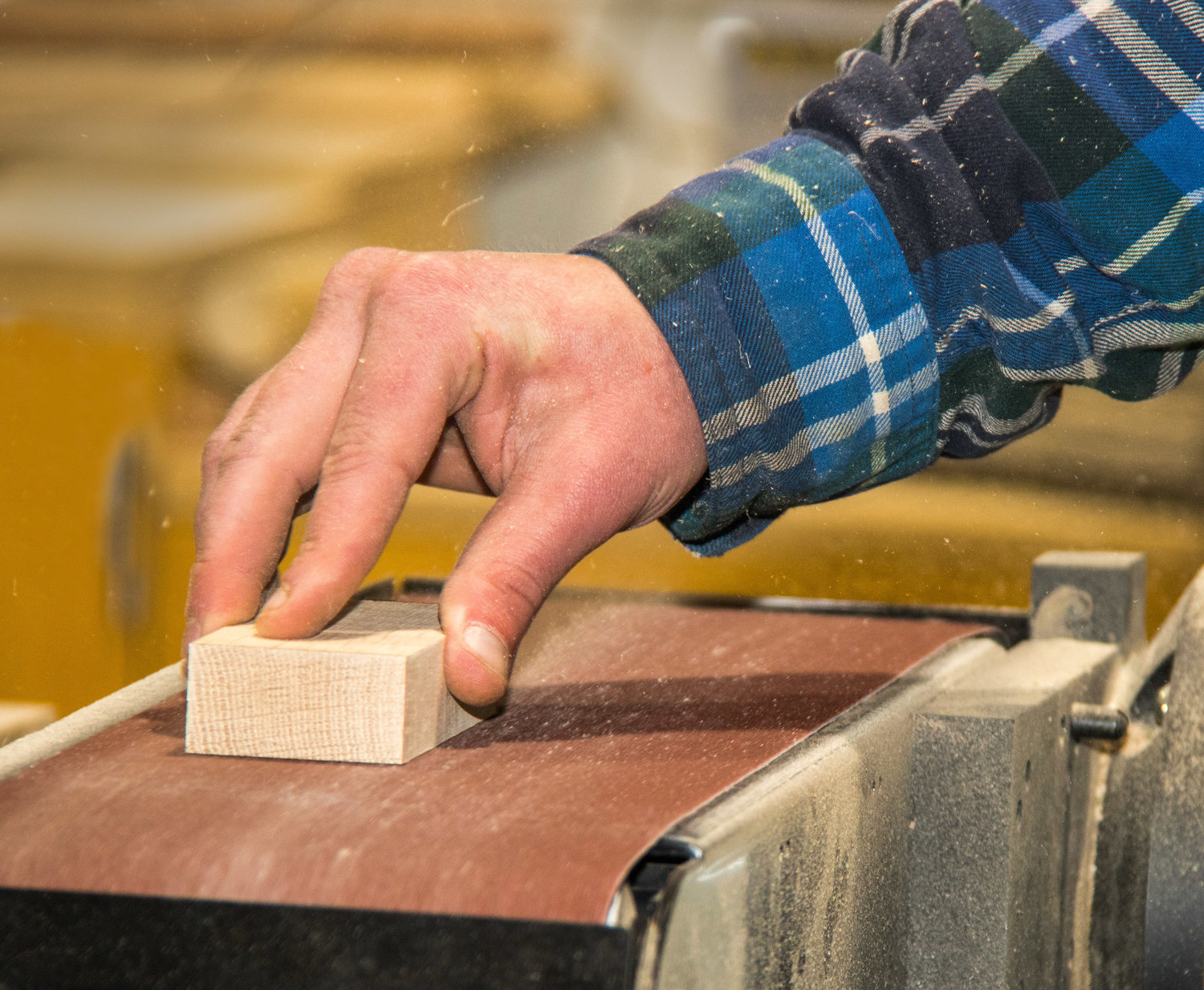
Once the old finish has been effectively stripped away, the next step entails sanding the wood’s surface to achieve a flawless canvas. Initiate the process with a coarse-grit sandpaper and progressively transition to finer grits. Crucially, sand in alignment with the wood grain for the finest results. This step not only primes the wood for staining or painting but also aids in the eradication of any unsightly imperfections.
With a pristine surface at your disposal, it’s time to infuse your furniture with a fresh aesthetic identity. The choice lies between staining to accentuate the wood’s innate beauty or applying paint for a transformative, contemporary appearance. When making your selection, prioritize high-quality products and execute an even application for a professional furniture finish.
Your project
Start with full-piece photos, condition close-ups and approximate dimensions. We’ll recommend a practical next step.