
Scratches & worn sheen
Light surface wear may need localized finish work rather than complete stripping.
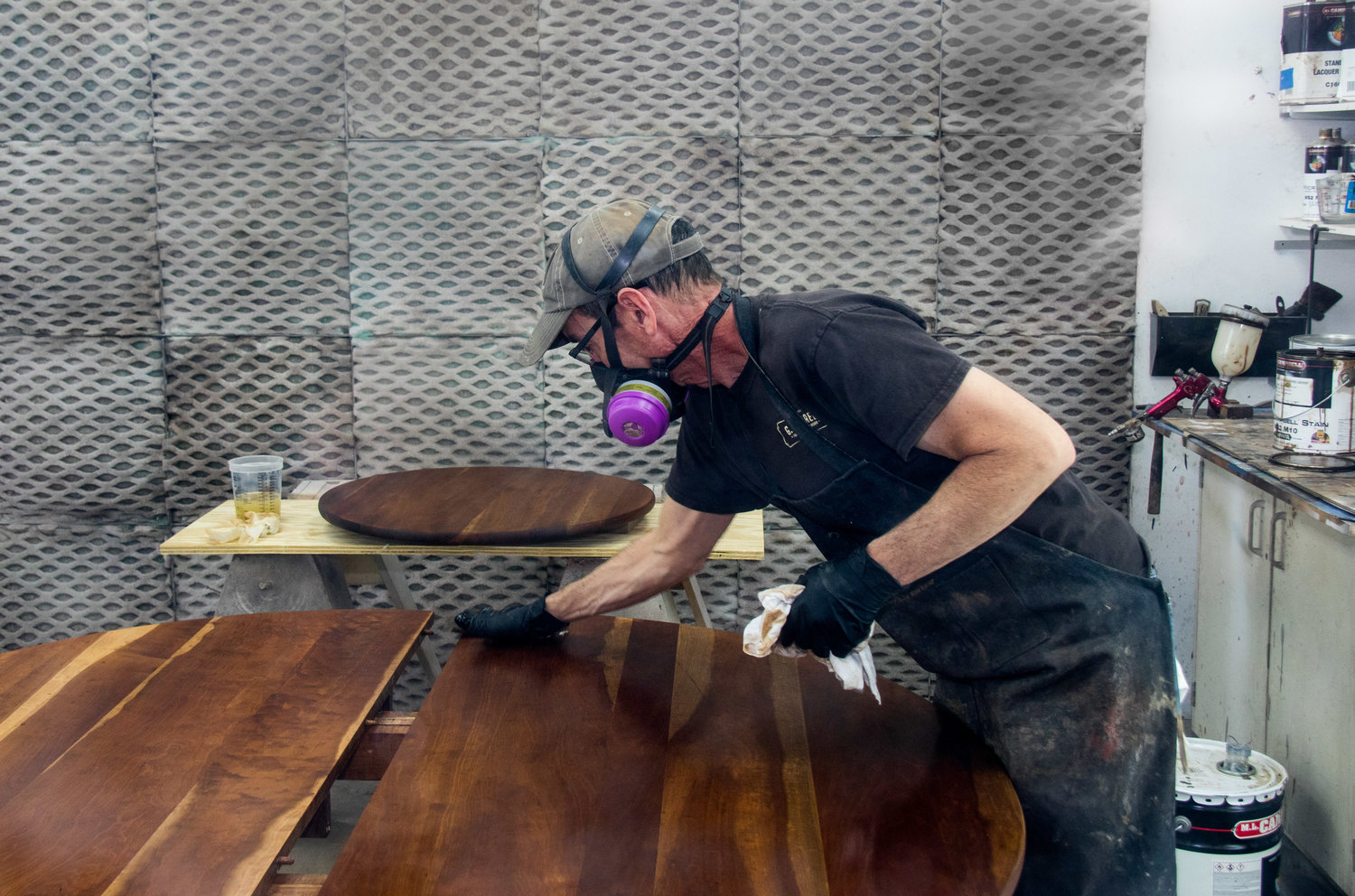
Fort Collins restoration studio Refinishing guide
A practical way to decide what your wood furniture needs before old finish is removed.
Refinishing renews a surface. Repair stabilizes the furniture. Conservation may preserve an important original finish. The right scope can include one or all three.
Light surface wear may need localized finish work rather than complete stripping.
The depth and cause of a mark determine whether it can be reduced without full refinishing.
An unstable coating usually needs controlled removal before a new finish can perform.
A color change depends on wood species, previous stain, repairs and what the stripped surface reveals.
Structural problems should be repaired before a final surface is built.
Historically important or usable original finishes may deserve conservation instead of replacement.
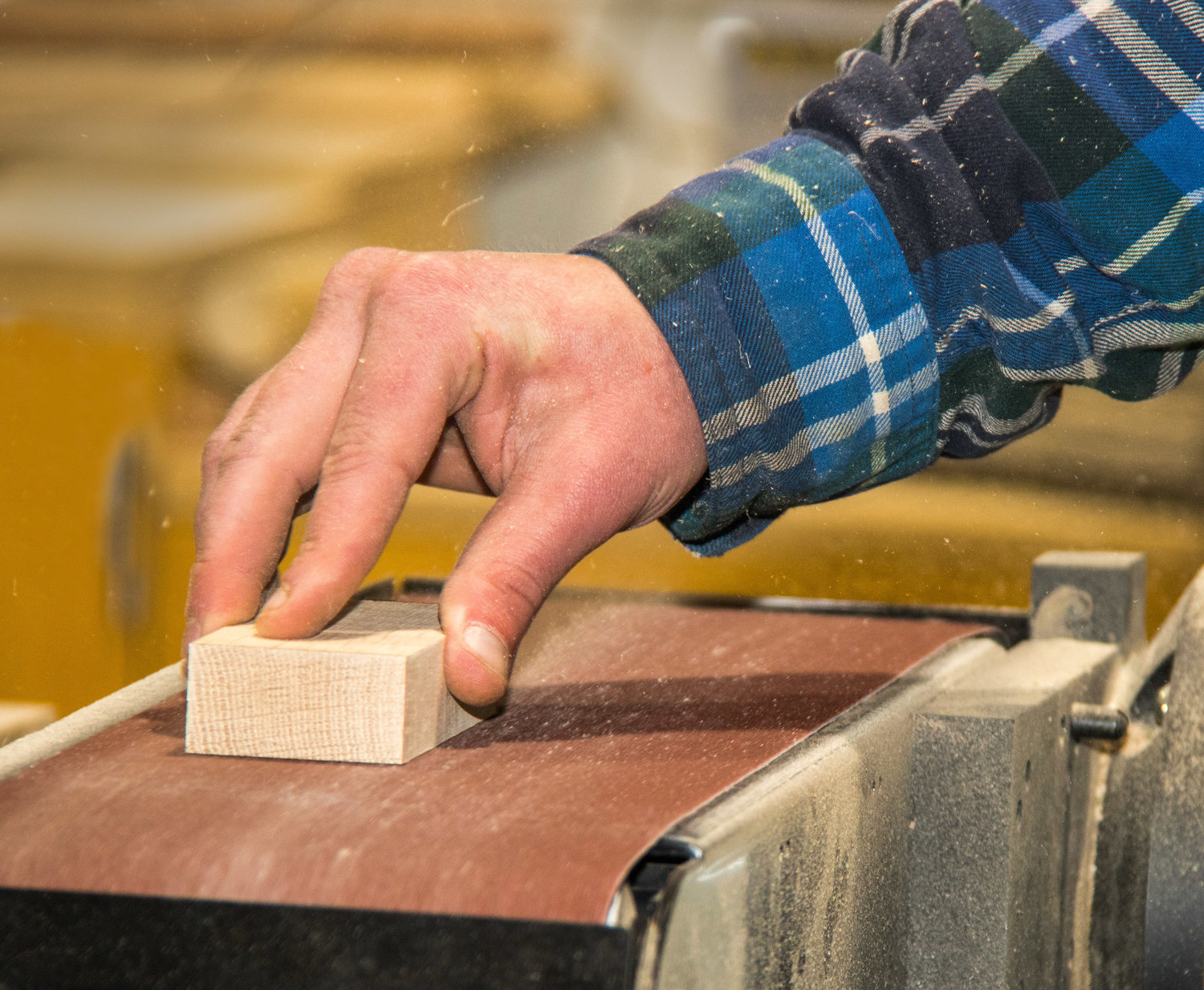
Movement, broken joinery and veneer problems change what must happen before finish work.
Age alone does not make a finish untouchable, but original material should be identified before removal.
A contained mark may support a repair; broad failure may justify complete refinishing.
Wood, prior coatings and repairs set honest limits on color, uniformity and final appearance.
Compare these nightstands after old finish removal and after their new color and protective finish were complete.
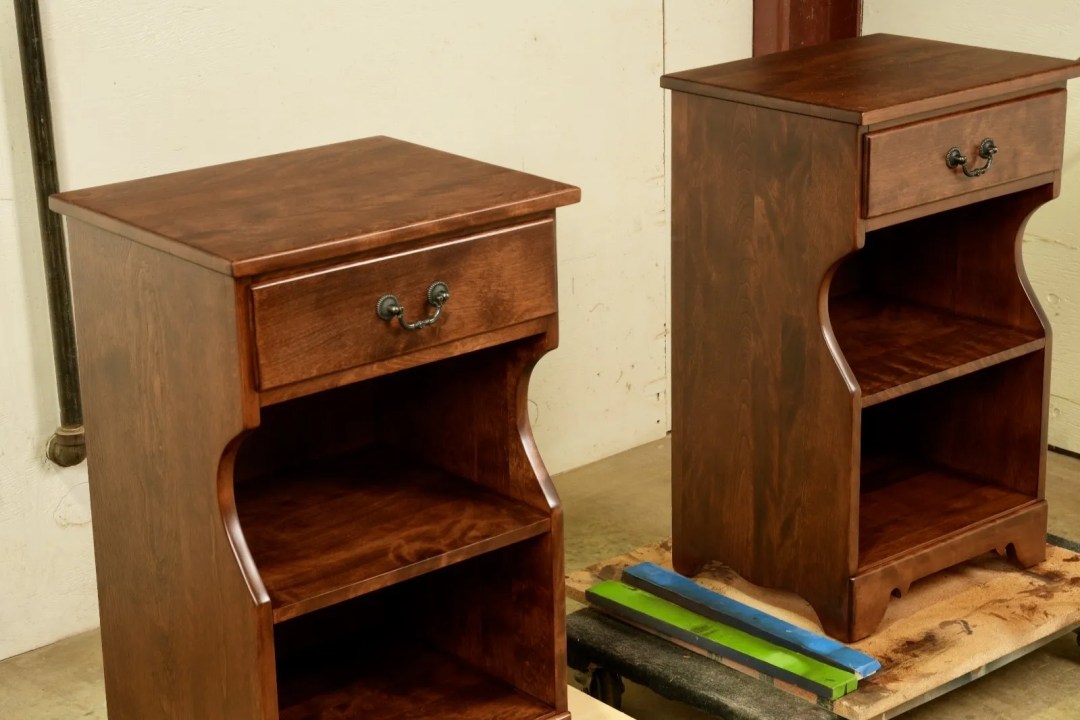
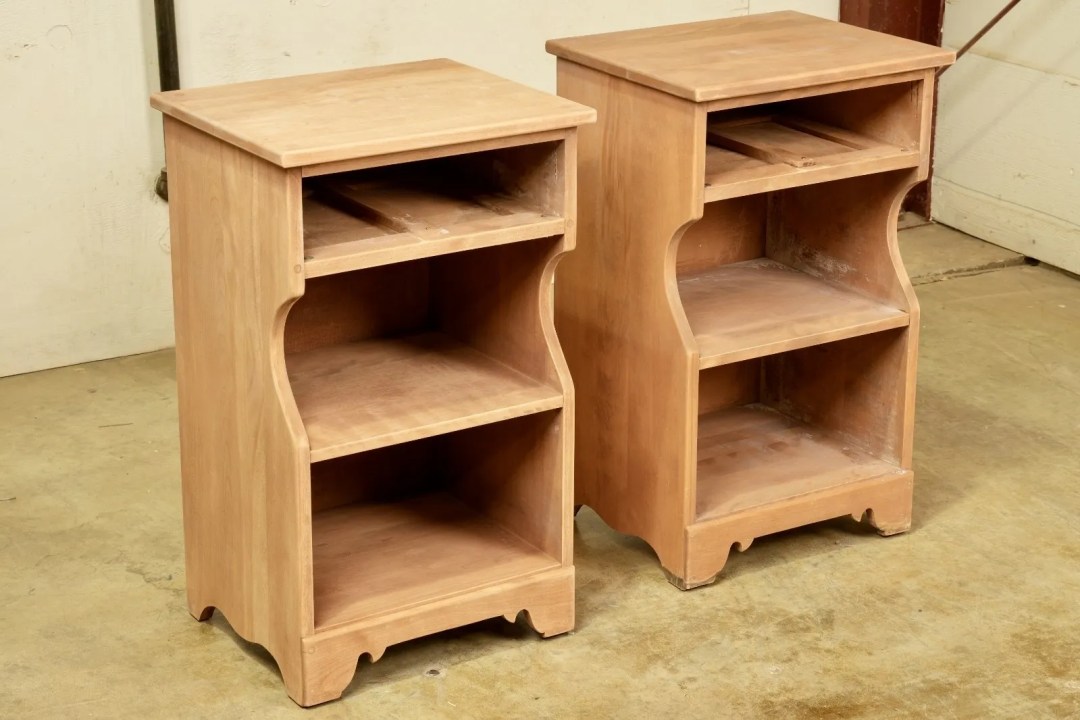 BeforeAfter
Sound furniture can keep serving instead of being replaced for surface wear alone.
Existing joinery, proportions and quality materials remain intact.
Localized repair, full refinishing and structural work are not sold as interchangeable services.
This guide reflects the evaluation process used at G. Michael's Fort Collins restoration studio for furniture across Colorado's Front Range.
No. The depth, location and surrounding finish determine whether a localized repair may be enough.
Sometimes. Cleaning, touch-up or coating repair may be appropriate when the existing finish remains stable.
It can when an important original finish or provenance is removed. The piece and existing surface should be assessed before deciding.
No. Natural color, grain, previous stain, repairs and how the wood accepts color all affect the achievable result.
Structural and veneer work normally happens before the final color and protective finish so the completed surface remains coherent.
Send the full piece, all sides, close-ups of wear or damage, drawers or doors open, and approximate dimensions.
Request an estimate
Show the full piece, the areas that need attention and anything you want preserved. We’ll review the project and recommend a practical next step.