
Freestanding furniture
Treat cabinets, sideboards and hutches as complete pieces with structure, drawers, doors and finish.
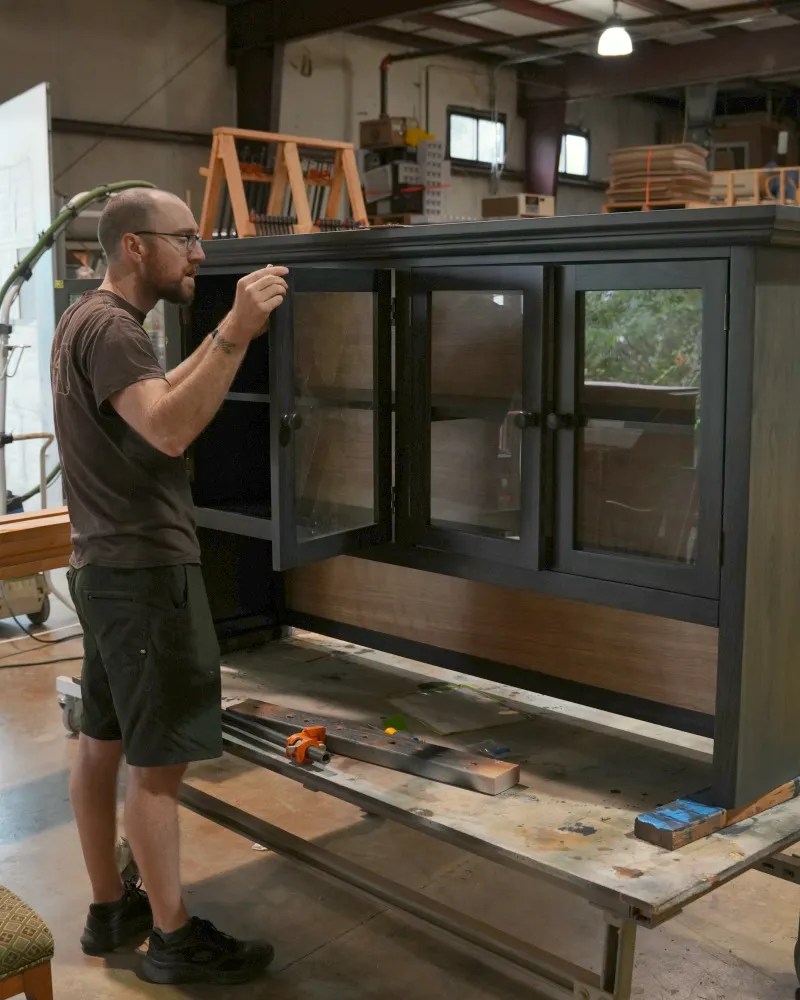
Fort Collins restoration studio Cabinet guide
A decision guide for freestanding cabinets, antique casework, built-ins and installed kitchen cabinetry.
A loose antique buffet, a worn display cabinet and an installed kitchen may all be called cabinets, but their construction, access and best service path differ.
Treat cabinets, sideboards and hutches as complete pieces with structure, drawers, doors and finish.
Review veneer, original hardware, joinery and surface history before changing the finish.
Plan doors, drawer fronts, face frames, finished ends and site coordination as one room-scale project.
Repair loose joints, damaged doors, drawers, panels and hardware before appearance work.
Separate scratches and worn color from peeling coatings, water damage and veneer loss.
Confirm whether a color change is compatible with the wood and whether sound cabinetry is worth preserving.
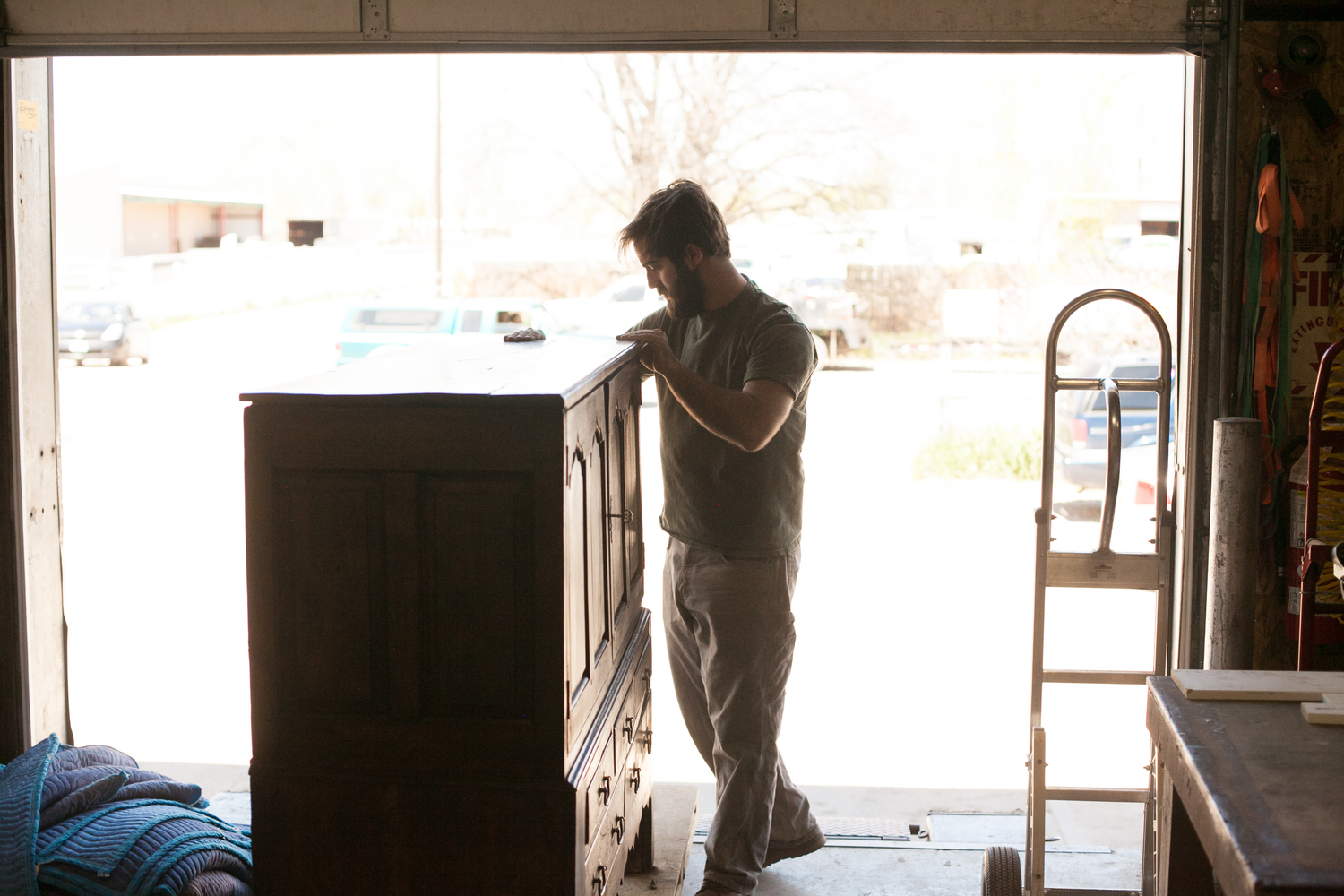
Choose repair when function or structure is the primary failure and the existing finish can remain.
Choose refinishing when the coating or color is the main problem and the cabinet is otherwise sound.
Choose restoration when structure, missing details, hardware and finish need one coordinated scope.
Use a room-wide plan when installed doors, drawers and exposed casework must read as one finish.
Drag the handle to compare the original honey finish with the completed darker color change.
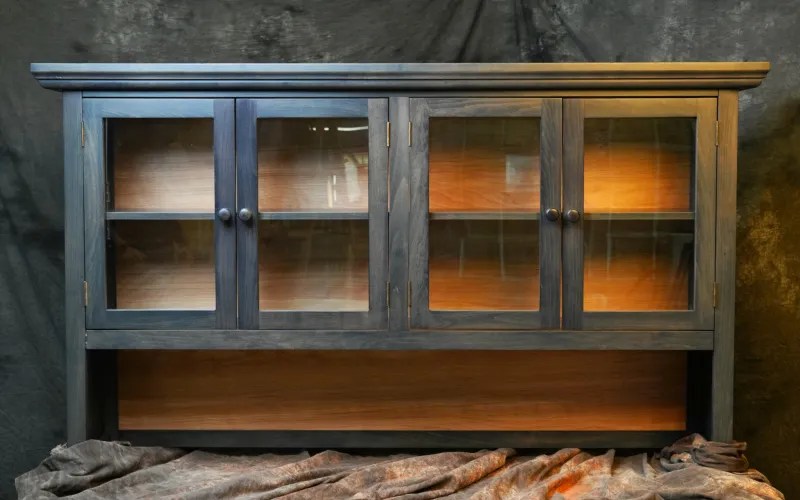
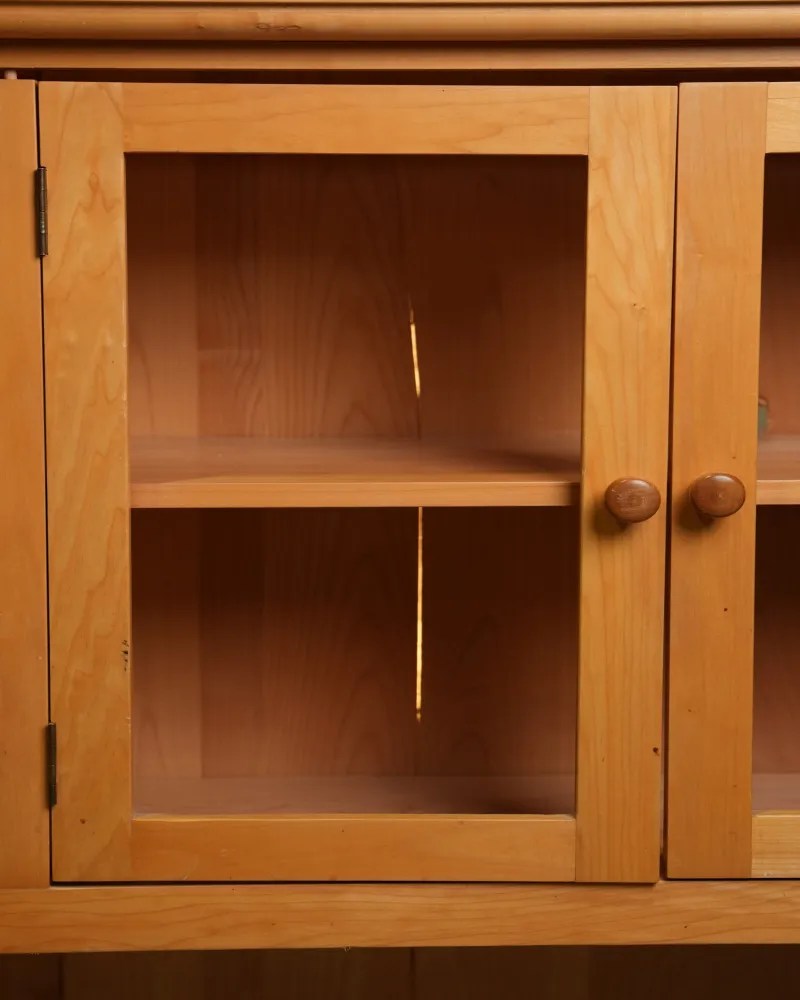 BeforeAfter
Project Cherry display cabinet
Work Condition review, preparation & color change
Explore selected workFreestanding cabinets are evaluated as furniture rather than as generic millwork.
Installed kitchens are scoped around access, component tracking and visual continuity.
Antique details and viable original material are considered before removal or replacement.
G. Michael's evaluates and completes cabinet furniture and kitchen refinishing through its Fort Collins restoration studio; the Denver showroom supports consultation and approved intake only.
Repair corrects structure, movement, hardware or missing components. Refinishing renews or changes the surface coating and color.
Yes. Antique casework is usually removable furniture with age-specific joinery, veneer and hardware. Kitchen work is an installed, room-scale project.
Often. When the existing finish is stable, structural and functional work may be completed with localized finish care.
Many veneer problems can be stabilized or repaired, but loss, substrate condition and matching material affect the result.
Sound cabinetry that fits the layout may be a strong refinishing candidate. Failing boxes, major layout changes or unsuitable materials may support replacement.
Use cabinet repair and restoration for furniture or built-ins, and kitchen cabinet refinishing for an installed kitchen. The same photo estimate process can route the project correctly.
Request an estimate
Show the full piece, the areas that need attention and anything you want preserved. We’ll review the project and recommend a practical next step.